Buying on Escondido Beach in Malibu: Key Insights
February 19, 2026
February 19, 2026
You can wake up with the sand at your doorstep on Escondido Beach, but Malibu beachfront living comes with unique rules, risks, and rewards. If you are exploring a second home or investment on this coveted stretch, you want clarity on access, home types, coastal regulations, and how to structure a strong offer. In this guide, you will learn what makes Escondido special, what to double‑check before you bid, and how to move with confidence. Let’s dive in.
Escondido Beach sits just east of Point Dume, between Geoffrey’s and Paradise Cove. It faces south, which means gentle light and broad ocean views many buyers love. The beach can feel narrow at high tide and parking is limited, so timing and tides shape your daily rhythm.
Local access points include the stairway west of Geoffrey’s and a gate by the bridge over Escondido Creek. For on‑the‑ground orientation, the visitor details and access coordinates on the Escondido Beach page are helpful for a first look at the setting and logistics you will experience as an owner. You can review those practical notes on the Escondido overview from California Beaches for context on access and tides.
In June 2023, the California Coastal Commission approved an agreement to restore a long‑blocked public path from Pacific Coast Highway to Escondido Beach. The decision required removing unpermitted work, opening a formal vertical accessway, and adding limited parking and a restroom funded by nearby owners. For buyers, the key lesson is that public access easements matter, and the Commission is active in enforcing them. You can read the background and outcome in the Los Angeles Times coverage of the Escondido access decision. A broader recap from The Guardian also outlines why Malibu access enforcement has gained momentum.
Day‑to‑day operations are managed by the Mountains Recreation & Conservation Authority. MRCA notes that certain access points, including Escondido Creek, are subject to tidal action and may close during flash‑flood warnings. If dependable beach access is part of your lifestyle plan, check MRCA’s Coastal Access Program page for current status and advisories.
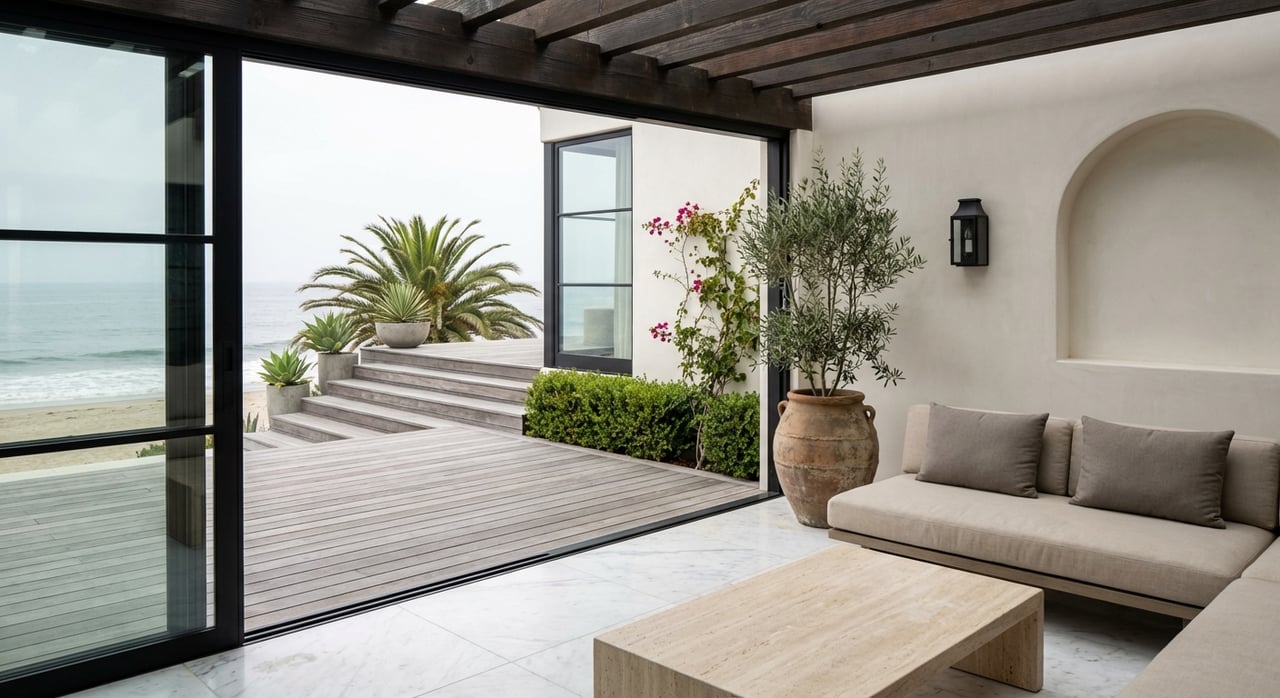
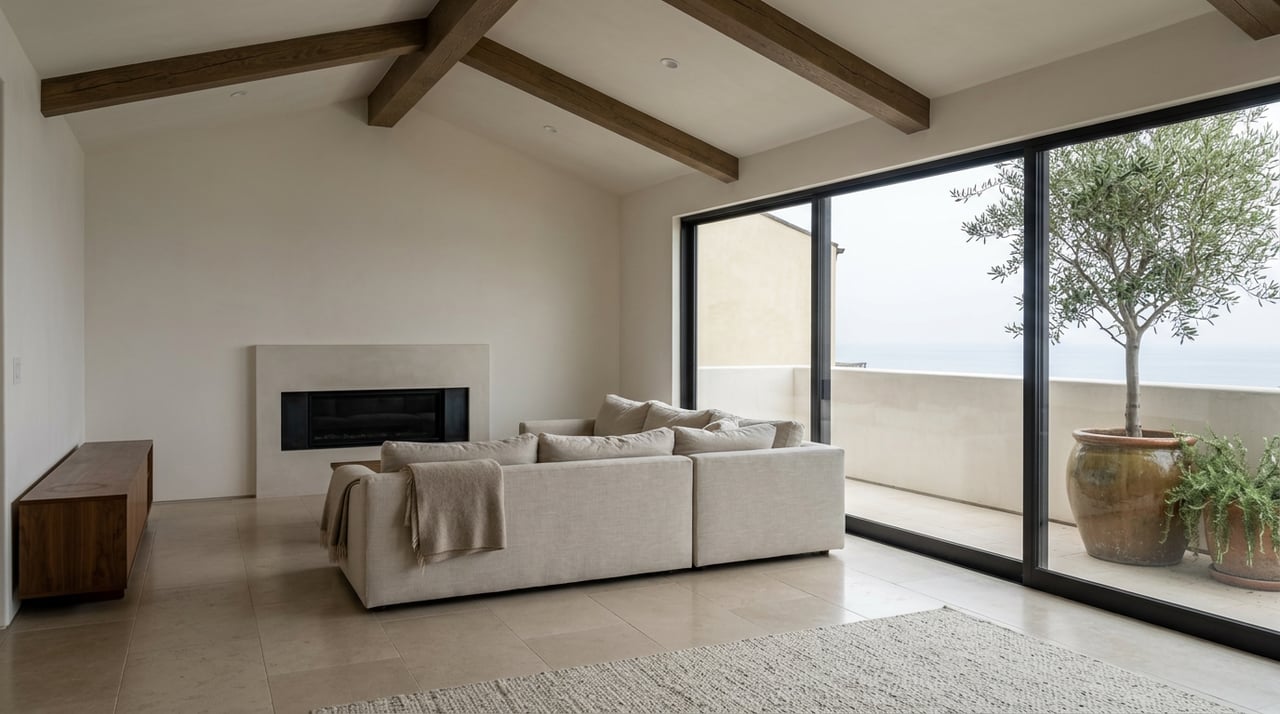
Most properties directly on Escondido Beach are single‑family beachfront houses on relatively small lots. Many started as mid‑century beach houses and have been renovated or rebuilt. Any direct sand frontage commands a premium, and features like broad decks over the sand, glass walls, and indoor‑outdoor flow drive value.
To calibrate price scale, review an example like 27356 Escondido Beach Road. This marketed home was listed in the mid‑teens of millions and illustrates common amenities for the submarket, including direct beach frontage and expansive decks. See the property details and images on the example listing to understand how features and site position influence value.
On any beachfront home, confirm foundation type and the status of shoreline protection. Many Escondido homes rest on caissons or pilings, and some parcels have seawalls or rock revetments. New shoreline armoring is tightly restricted under the Coastal Act and the Coastal Commission’s Sea Level Rise Policy Guidance. If you are evaluating a remodel or a tear‑down, review the Commission’s sea‑level rise guidance to understand what is typically allowed and how long‑term adaptation is being handled along the coast.
Sea‑level rise and storm‑driven inundation are material issues for any Malibu beachfront purchase. As an early screen, run the property address through NOAA’s Sea Level Rise and Coastal Flooding Viewer to visualize different water‑level scenarios. Pair that with the Coastal Commission’s sea‑level rise guidance to frame likely permitting and design expectations. If a lender identifies a FEMA Special Flood Hazard Area, you will need flood insurance, and that can influence loan terms and carrying costs.
Confirm whether the property is on sewer or septic. Some Malibu beachfront homes still show “Sewer: Septic Tank” in listing details. If a home is on septic, understand the system’s age, condition, and any local requirements for upgrades or replacement, since wastewater plans can affect renovation timing and design. Use will‑serve letters or written confirmations from the utility to avoid surprises. As an example reference, review the utilities section noted in the Escondido Beach Road listing.
Malibu’s Local Coastal Program and Local Implementation Plan set the rules for coastal development. Projects between the sea and the first public road or within certain buffers may be appealable to the Coastal Commission. Before you submit an offer conditioned on a remodel, request a Coastal Development Permit history for the parcel, look for any unpermitted work, and plan for a realistic review timeline. You can explore the City’s adopted LCP and LIP language to understand local standards and procedures.
Insurance markets are shifting in climate‑exposed areas, and coastal properties may face higher premiums, tighter capacity, or non‑renewals. If the home sits in a FEMA flood zone, a lender will likely require flood insurance. To reduce risk, get early pre‑quotes for homeowner and flood coverage and confirm your lender’s underwriting appetite for beachfront assets. Recent peer‑reviewed research discusses insurer retreat and changing risk pricing, which is a helpful backdrop as you budget and compare options.
Buying on Escondido Beach is a lifestyle decision and a technical one. When you pair the right home with informed planning around access, permitting, hazards, and insurance, you set yourself up for a smooth close and long‑term enjoyment. If you would like a tailored walkthrough of current opportunities, a private showing plan, or a pre‑offer due‑diligence roadmap, connect with Laura Alfano to get started.
Laura Alfano is dedicated to helping you find your dream home and assisting with any selling needs you may have. Contact her today for a free consultation for buying, selling, renting, or investing in California.

LAURA ALFANO | CA DRE# 02064718
24903 PACIFIC COAST HWY STE 200 MALIBU CA 90265