Broad Beach vs Malibu Road: Which Coastline Fits You?
March 24, 2026
March 24, 2026
Torn between two iconic stretches of Malibu sand? Broad Beach and Malibu Road both promise oceanfront living, yet the day-to-day experience, access, and ownership details feel very different. If you want the right fit for how you live, it pays to look beyond views and square footage. In this guide, you’ll compare lifestyle, access, costs, and key due diligence items so you can move forward with clarity. Let’s dive in.
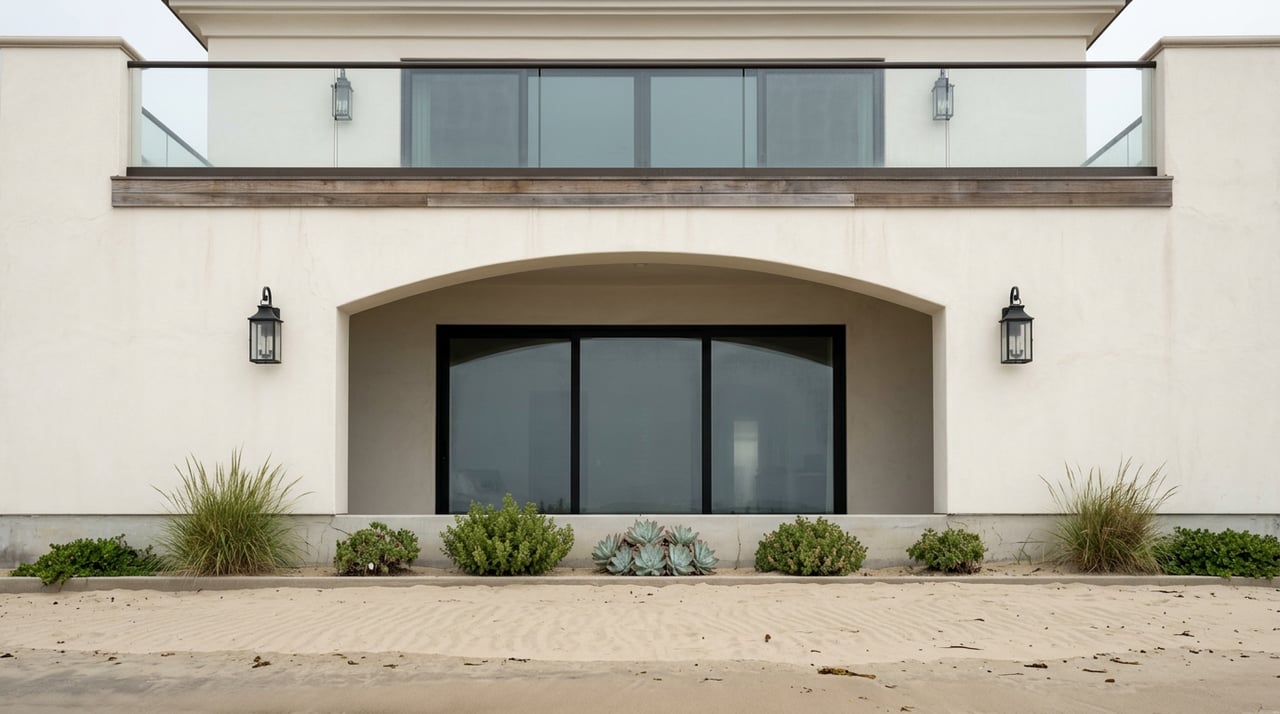
Broad Beach sits in west Malibu with a long, low-density oceanfront strip of 114 lots across 121 parcels, according to the hazard district’s formation documents. Many original beach cottages have given way to architectural estates and occasional multi-lot compounds. You will see private driveways, gated entries, and sand-front steps where conditions allow, which supports a calm, residential feel. Project records outline the mapping and program area.
Daily routines here skew relaxed and private. You are unlikely to walk to coffee or groceries. Representative Walk Score results for Broad Beach addresses show “car dependent,” often in the single digits to mid-20s. If you value quiet mornings, fewer day visitors, and long shoreline walks when sand is present, Broad Beach delivers. See a representative Walk Score example.
“Malibu Road” refers to the older coast road and adjacent beachfront neighborhoods threading through central Malibu. It connects the Malibu Pier and Surfrider area with Malibu Colony and Carbon Beach, then transitions toward Point Dume. The corridor mixes historic bungalows, tight beachfront lots, blufftop homes, and marquee estates, block by block. A local guide highlights the street’s diverse character and proximity to the Civic Center. Explore an overview of Malibu Road’s neighborhood context.
If you want to be closer to restaurants and services, Malibu Road puts you nearer to the Civic Center and Malibu Pier. You may walk or bike in select segments near the lagoon and Country Mart area, but a car is still common for most errands. Walk Score results for Malibu Road average in the low teens. View a representative Walk Score for Malibu Road.
California’s tidelands are public below the mean high tide line. That means the wet sand area is public, while the dry sand above can vary based on surveys and conditions. Broad Beach historically had a wider sandy beach, but years of erosion prompted a shoreline restoration effort focused on sand nourishment and dune habitat. The California Coastal Commission approved a consolidated permit in 2015 with detailed conditions and monitoring. You can review the 2015 Coastal Development Permit record to understand the restoration framework and public access conditions.
On Malibu Road, areas near Surfrider and the Pier see more day visitors and visible public access. Surfrider is a classic point break and an active public surf zone with nearby shops and restaurants. The Coastal Commission has documented the public access context for these central Malibu beaches. Review the Surfrider and Pier access background for a sense of daily activity in that area.
Malibu’s 90265 market includes trophy oceanfront, blufftop, and canyon homes, so median figures can swing from a single ultra-high sale. Beachfront values depend heavily on frontage, lot size, and rebuild potential. Plan on using very recent, like-for-like comps when evaluating a purchase and be ready for considerable price variance between micro-pockets.
Broad Beach owners formed a Geologic Hazard Abatement District to fund shoreline protection and restoration. This mechanism can levy annual assessments and special charges for project costs, monitoring, and maintenance. Formation documents describe the district’s technical basis and parcel apportionment. Review the GHAD board packet and project overview and consult current records during escrow.
Local reporting has discussed significant assessments and litigation among owners, which underscores why you should treat GHAD costs as a material ownership item to verify. For context, see Malibu Times coverage and request the latest invoices, assessment rolls, and board minutes during due diligence.
Beachfront parcels face combined risks: coastal flooding, storm surge, and erosion, along with regional wildfire exposure. After severe wildfire seasons, coverage can be harder to secure in high-risk zones and may depend on mitigation standards and insurer appetite. The California FAIR Plan is the backstop when private carriers will not write a policy, but it has limits and is not a full substitute for standard coverage. Review industry context on claims and market shifts and, more importantly, obtain firm quotes early in your process. A backgrounder on market impacts is available from Insurance Insider.
Many older beachfront homes rely on onsite wastewater systems. Malibu requires operating permits for OWTS and links compliance to short-term rental eligibility. If you plan to offer short stays, verify permit status and whether any system upgrades are needed. The City’s enforcement program took effect in January 2021, and a Hosted STR Ordinance has been adopted and is awaiting full certification for implementation. Review the City’s Short-Term Rental Program and confirm a property’s eligibility before you offer.
Beachfront remodels, additions, stairways, and any shoreline structures typically require both City and Coastal Commission review. The permit framework emphasizes minimizing permanent armoring and favoring soft, nature-based solutions when feasible. Conditions can include public access requirements, habitat mitigation, and monitoring. Before you rely on a concept plan, pull the parcel’s Coastal Development Permit history and recorded conditions. You can reference the 2015 consolidated CDP for Broad Beach to understand how shoreline projects are conditioned.
Privacy and pace: Broad Beach is quieter with fewer pedestrians, especially outside peak season. When sand is present, you enjoy long, relaxed beach walks right out your door. Malibu Road can feel more active near the Pier and Surfrider, with a visible surf scene and more day visitors.
Errands and dining: Broad Beach is a drive for most daily needs. Malibu Road places you closer to the Civic Center and central amenities. Selected blocks near the lagoon and Country Mart area offer occasional walk or bike options, though most residents still rely on a car.
Recreation focus: If you want to watch or join the Surfrider lineup daily, Malibu Road near the Pier is unmatched for surf proximity. If you prefer quieter family beach time and privacy, Broad Beach is compelling, with the understanding that sand width shifts with seasons and storms.
Choose Broad Beach if you value privacy, larger sand frontage, and a calm residential feel, and you are comfortable engaging with coastal-management programs and potential assessments tied to shoreline protection.
Choose Malibu Road if you want quicker access to cafes and shops, love the surf culture near the Pier, and prefer easier logistics for dining and errands in central Malibu.
Use this list before you write an offer on either street. Build your timeline and contingencies around these items.
Both streets offer extraordinary Malibu living. Your choice comes down to priorities. If you want privacy and a serene residential setting with the tradeoff of more complex coastal management, Broad Beach stands out. If you prefer a central location near shops, dining, and surf energy, Malibu Road is likely your match. With focused due diligence, you can secure the right home and protect your long-term enjoyment and investment.
When you are ready to explore on the ground, connect for a private consultation and a curated shortlist that fits how you live. With deep Malibu micro-market expertise and concierge-level guidance, you will move with confidence.
Ready to compare properties and next steps? Schedule a complimentary consultation with Laura Alfano.
Laura Alfano is dedicated to helping you find your dream home and assisting with any selling needs you may have. Contact her today for a free consultation for buying, selling, renting, or investing in California.

LAURA ALFANO | CA DRE# 02064718
24903 PACIFIC COAST HWY STE 200 MALIBU CA 90265