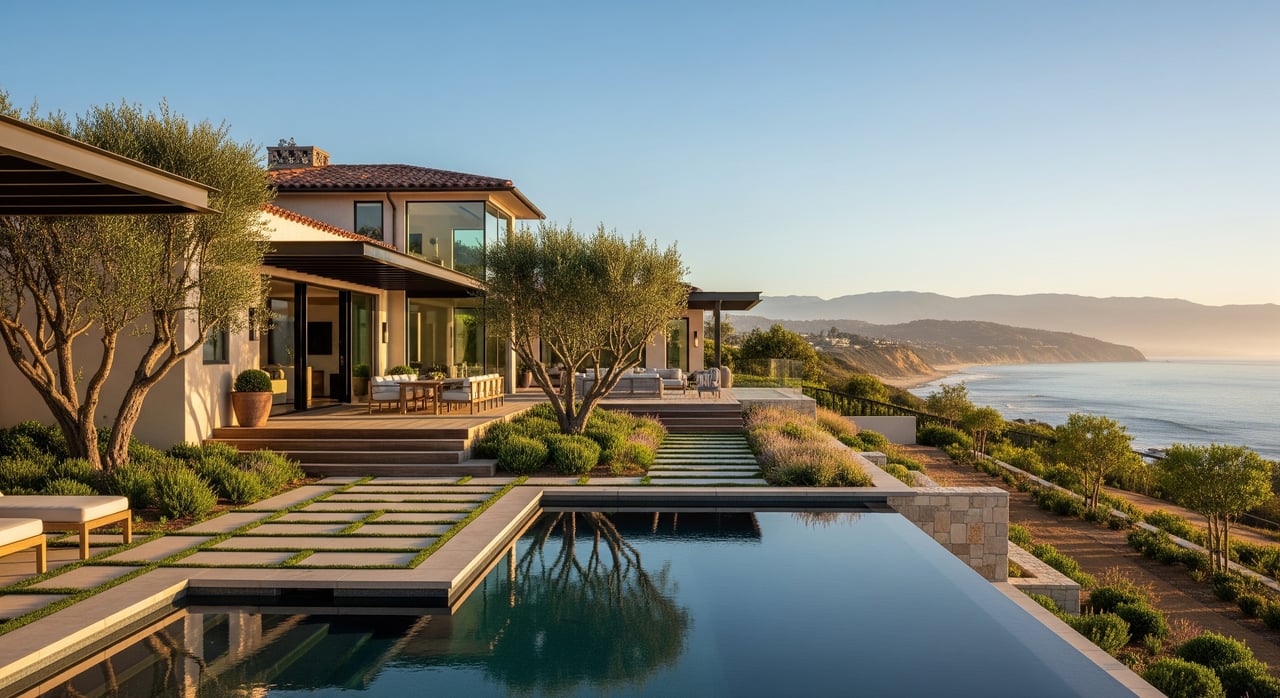
A Strategic Guide to Malibu Country Estates Pricing
January 15, 2026
January 15, 2026
Pricing your Malibu Country Estates home is not about averages or simple price-per-foot math. In this luxury micro-market, views, privacy, permits, and presentation can swing value more than square footage. If you want serious buyers to move quickly and confidently, you need a price that is proven by data and supported by how the home shows. Here is a step-by-step playbook to set a price that attracts the right pool, preserves momentum, and protects your outcome. Let’s dive in.
Malibu Country Estates is a luxury, heterogeneous micro-market. Homes vary in lot utility, ocean exposure, architecture, and amenities, which makes broad-area averages less useful. You need tight micro-comps, feature-by-feature adjustments, and a pricing band that aligns with how buyers actually search.
High-end demand can shift with interest rates and stock market performance. Inventory in this segment can also be seasonal. Track recent days on market and price-reduction patterns in the last few months rather than relying on long-term averages.
Regulatory and environmental factors matter. Coastal permits, wildfire risk and insurability, slope stability, and septic versus sewer can influence both buyer confidence and price. Disclosures and documentation that address these items help widen the buyer pool.
Start with closed sales from the past 6 to 12 months for typical properties. For unique or ultra-premium homes, extend to 12 to 24 months and apply market-trend adjustments based on recent local movement. Supplement with active and pending listings to gauge current buyer thresholds.
Favor sales within Malibu Country Estates and immediately comparable streets or ridgelines. In this area, view corridors and ocean proximity often matter more than straight-line distance. Use multiple comp sets when data is thin and triangulate the results.
Use a line-item checklist to compare your home to each comp.
Use paired-sales logic when possible to estimate premiums for single attributes. Keep price per square foot as a sanity check, not a primary method, because view, lot utility, and craftsmanship vary widely.
Most buyers filter by round-number thresholds. Positioning just below common cutoffs can expand visibility and trigger more alerts. Consider how psychological price points like $2.5M or $5.0M affect perception and the pool of qualified buyers watching that band.
Map your price options against the current cluster of listings in nearby bands. If one band is crowded, you may stand out by pricing just under the next round number, provided your micro-comps support it. If a band is thin, a market-aligned price can command attention and drive showings faster.
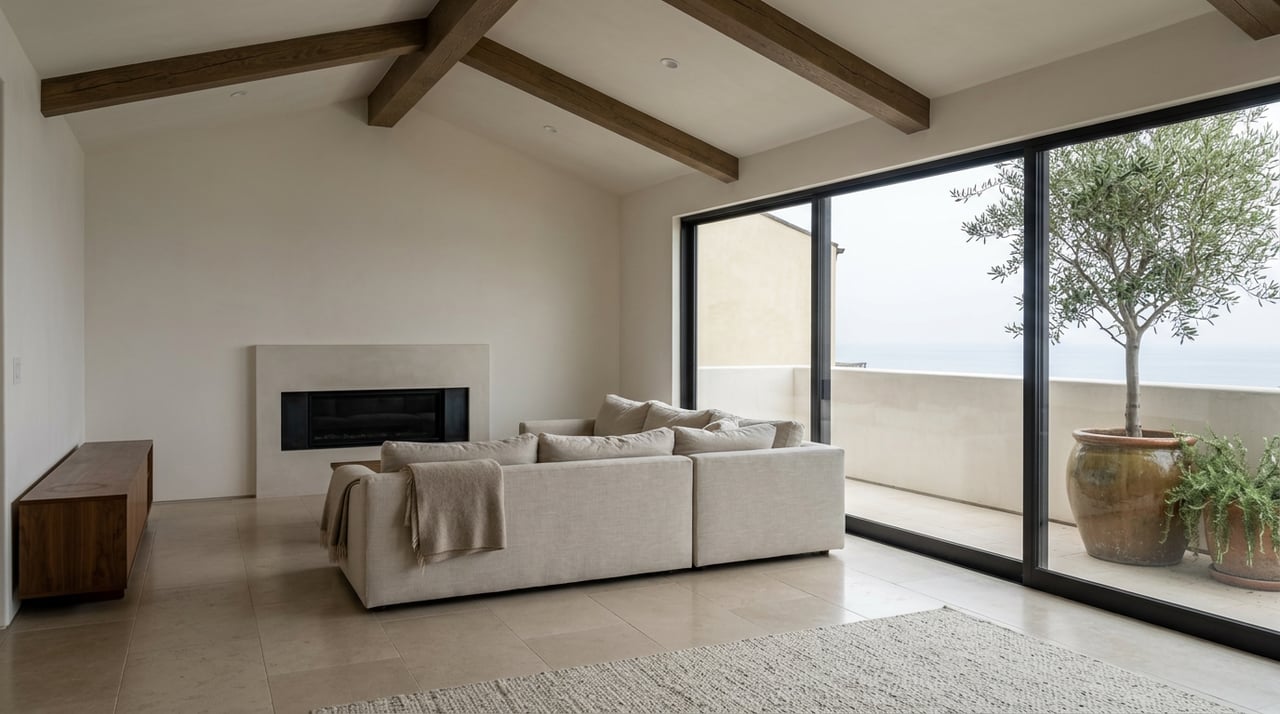
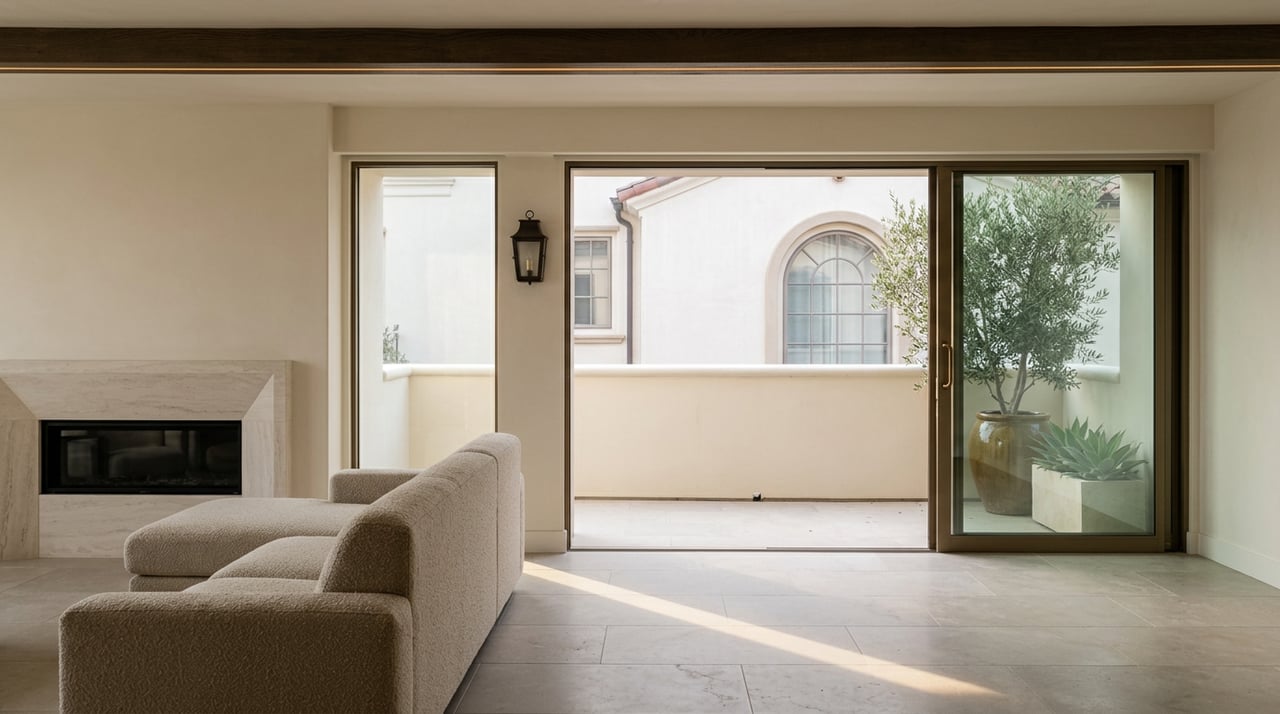
In luxury listings, first impressions are everything. Invest in professional photography, floor plans, and aerial imagery where appropriate. Highlight signature view lines and architectural details. A focused staging and decluttering plan for key rooms will increase buyer engagement.
Address high-impact deferred maintenance that could stall a deal or shrink your buyer pool. Pre-list inspections for roof, major systems, and wood-destroying pests can reduce friction and support your price. Provide required disclosures and a Natural Hazard Disclosure, and be transparent about known material facts.
Coastal and building permit histories matter in this area. Present documentation for permitted improvements and disclose any unpermitted work. Evidence of defensible space, hardening, and other mitigation steps can reassure buyers and help sustain a stronger price.
Coordinate a high-impact debut with staged open houses, broker tours, and private previews. In a luxury segment, a thoughtful pre-market phase with targeted outreach can surface qualified buyers and build momentum before the listing goes wide.
An aggressive price can spark competition when supply is thin and presentation is polished. A market-aligned price, adjusted for condition and features, often yields qualified traffic and steadier negotiations. Overpricing risks longer days on market, fewer showings, and steeper eventual reductions.
Track these KPIs from day one and set predefined review windows:
Follow this five-step framework to select and defend your price:
Imagine a well-kept home with partial ocean views and a pool, plus a recent kitchen remodel. You might prioritize comps from the same enclave with similar view corridors, then adjust for the remodel and outdoor amenities. If actives cluster at a round number above your supported value, you could price just below that threshold to capture more alerts. Pair that with polished visuals, pre-list inspections, and a set offer review date to focus activity. The result is confident pricing backed by data and a launch that invites strong, qualified offers.
In Malibu Country Estates, the details make the difference. From permit histories and hazard documentation to staging, positioning, and offer management, a tailored plan will protect your price and your timeline. If you want a boutique, concierge experience backed by deep local expertise and a disciplined marketing approach, connect with Laura Alfano to discuss the best path for your goals.
Laura Alfano is dedicated to helping you find your dream home and assisting with any selling needs you may have. Contact her today for a free consultation for buying, selling, renting, or investing in California.

LAURA ALFANO | CA DRE# 02064718
24903 PACIFIC COAST HWY STE 200 MALIBU CA 90265