The 94-Day Gap: What's Really Slowing Sales at The Pointe in 2026
September 10, 2026
September 10, 2026
Two townhomes have sold inside the same gated complex on Zuma View Place in Malibu, both in The Pointe, both a short walk from Zuma Beach and Paradise Cove. One closed in June 2025 after 77 days on the market. The other didn't close until January 2026, after 171 days, more than double. Nothing about either unit obviously explains a gap that wide, and the cause was likely some mix of negotiation, contingencies and loan timing. What's changed since is that the underwriting path that let some buyers move fast no longer exists for anyone. As of August 3, 2026, every financed purchase in a complex this size runs through the same slower review, not just the unlucky ones.
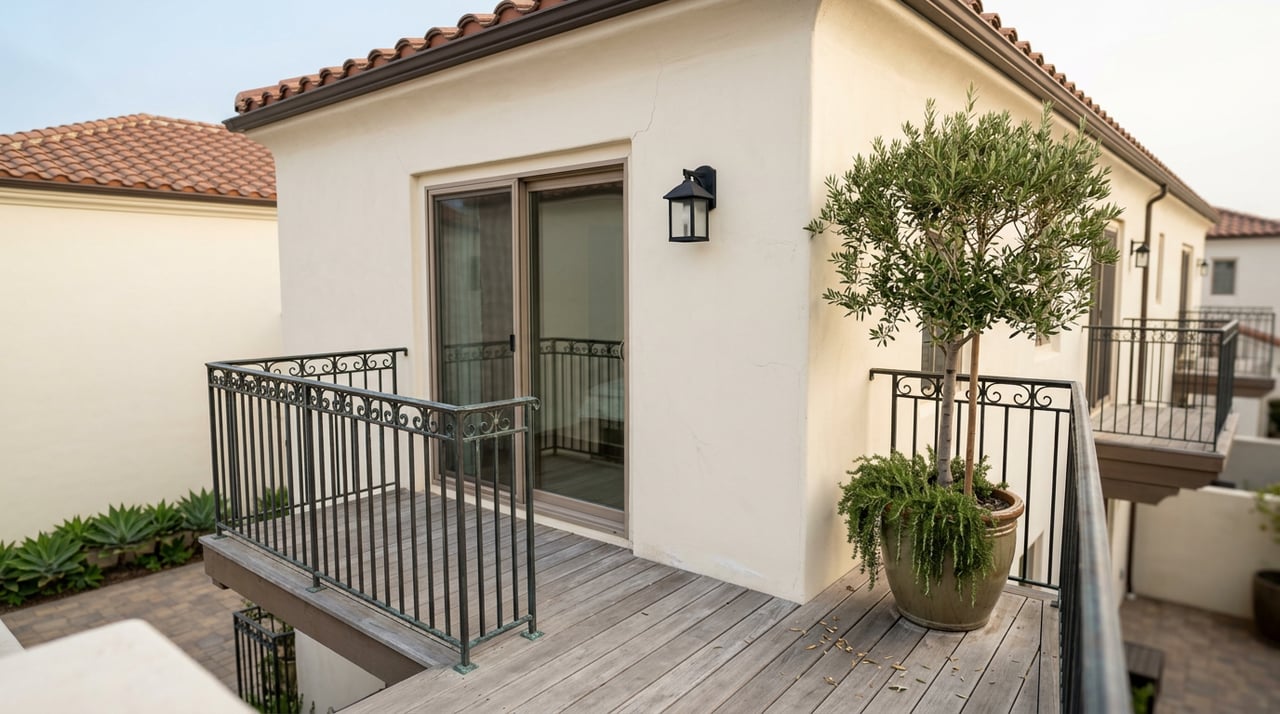
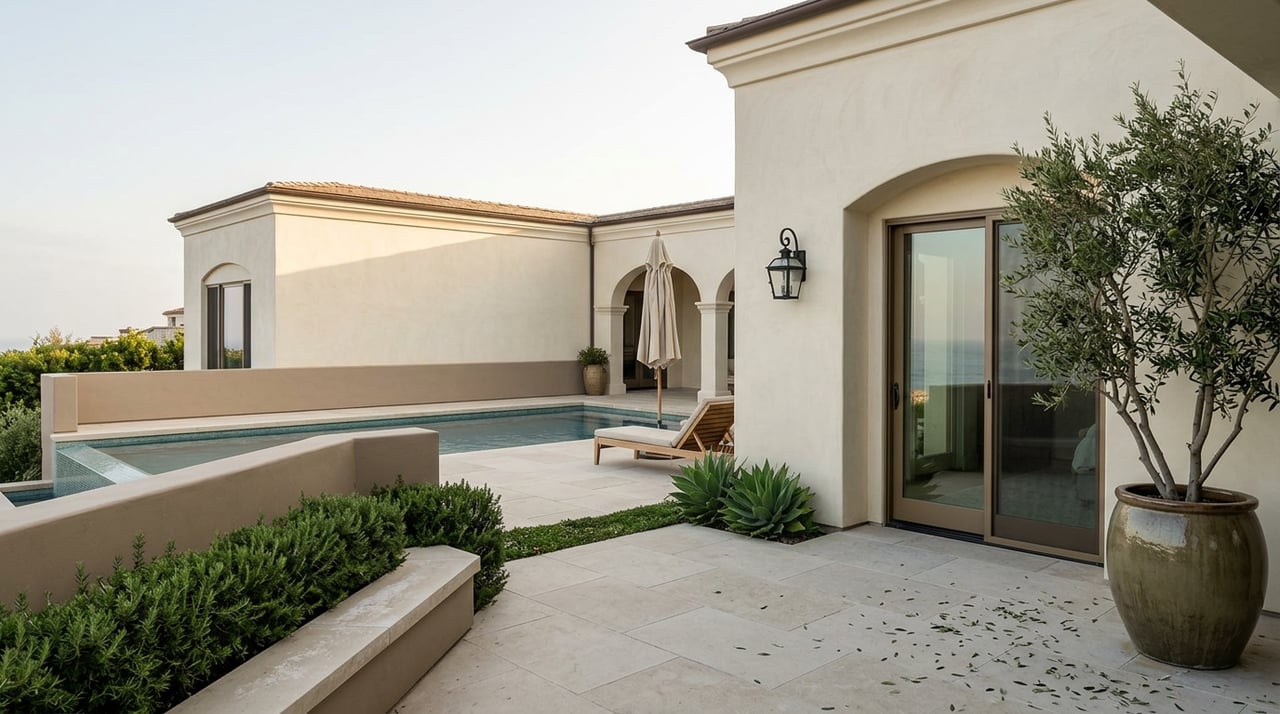
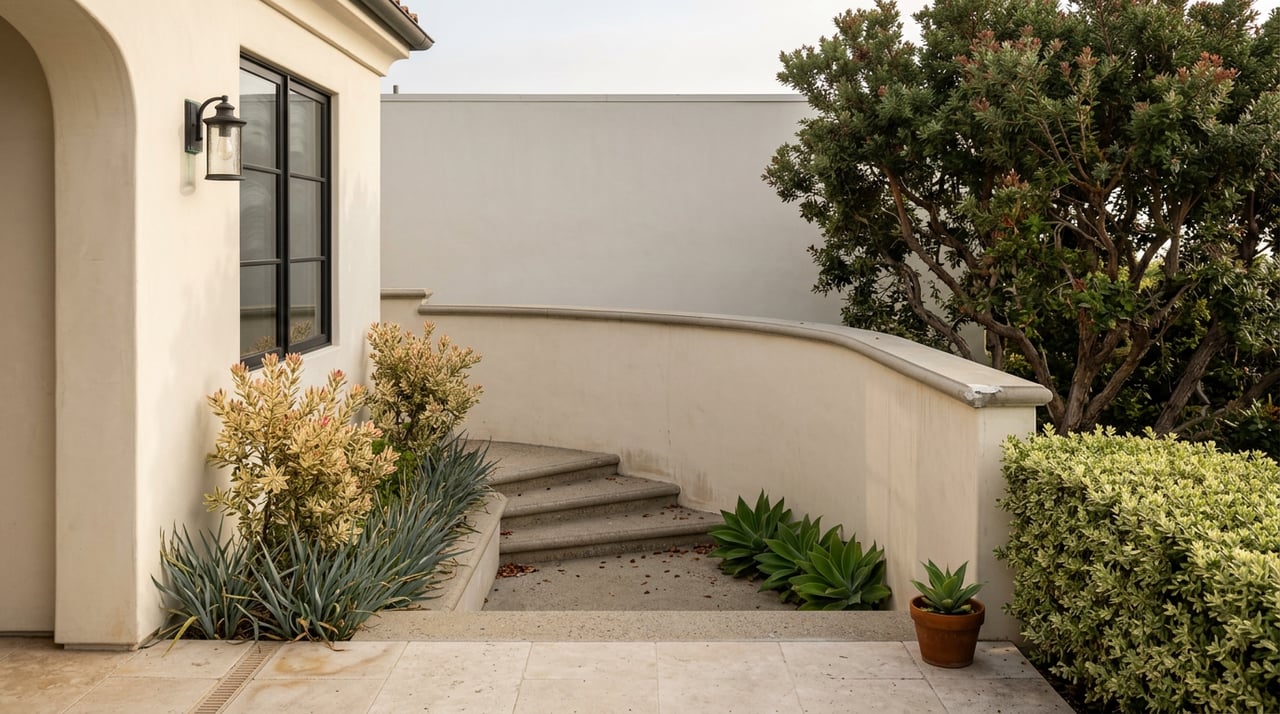
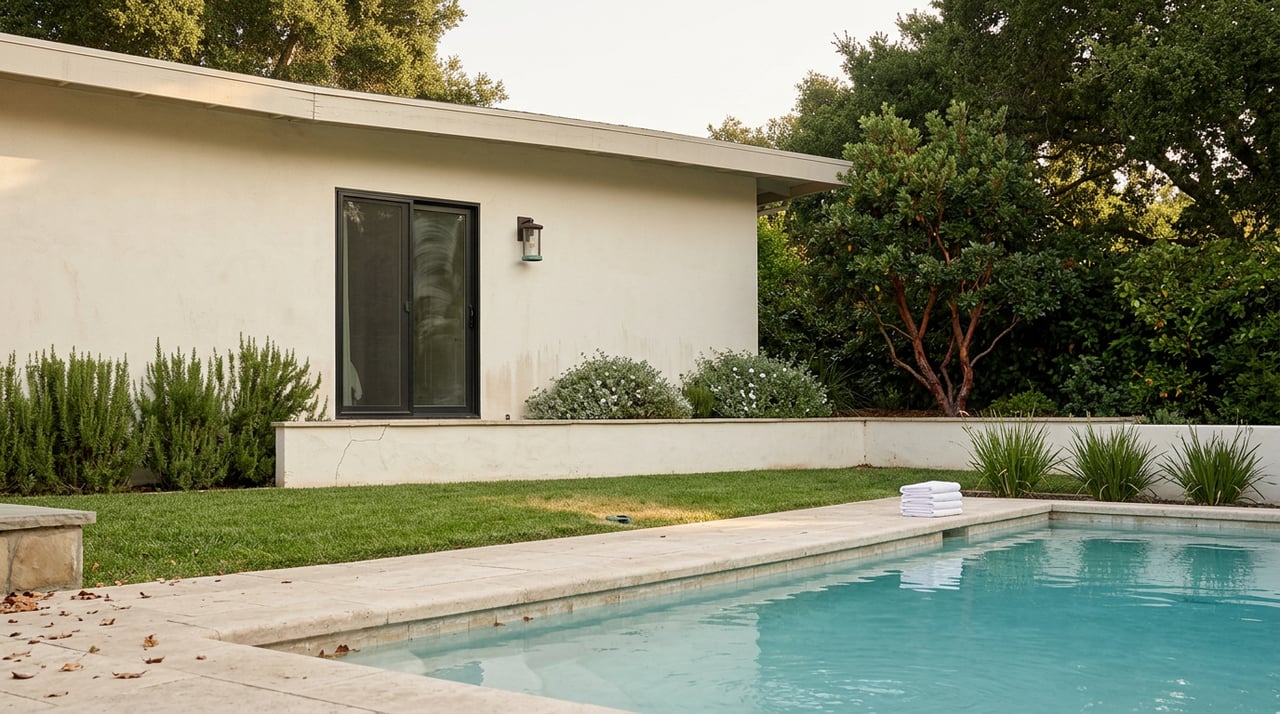
The Pointe is a 68-unit, Mediterranean-style townhome community completed in 1998, tucked minutes from Pepperdine University and the beaches of western Malibu. It has always sold on lifestyle: the pool and spa, the tennis courts, the private balconies with peek-a-boo ocean views that show up in nearly every listing photo. What it hasn't had to sell on is financing certainty. That's the part buyers now need to understand before they write an offer, because a state deadline that quietly passed and a federal rule that took effect this summer both changed what "approved" means for a complex this size and this age.
California's Civil Code section 5551, added by Senate Bill 326, requires condominium associations with three or more units to inspect load-bearing exterior elevated elements built substantially of wood, meaning balconies, decks, stairways and walkways more than six feet above ground. The first inspection deadline for these associations was January 1, 2025. Unlike the companion law covering apartment buildings, which received a one-year extension to 2026, the condo deadline was not extended. It has already passed.
A complex built in 1998, with private balconies on nearly every unit, sitting in Malibu's marine air, is precisely the kind of building this law was written for. The inspection itself has to be done by a licensed structural engineer or architect, sampled to a 95 percent confidence standard, and folded into the association's reserve study. None of that shows up in a listing photo. What shows up, increasingly in 2026, is a lender or insurer asking for the compliance report before they'll move forward. Insurance carriers have started requiring proof of SB 326 compliance before renewing master policies, and mortgage lenders in California have started asking for balcony certification as part of loan underwriting. A missing report doesn't necessarily kill a sale. It slows one down while everyone tracks down documentation that, a year ago, nobody thought to ask for.
The second change is bigger and it's federal. On March 18, 2026, Fannie Mae and Freddie Mac issued coordinated policy updates that eliminated the Limited Review and Streamlined Review pathways, the fast-track underwriting options that let buyers with a healthy down payment, typically 10 percent or more, skip a deep dive into a condo association's finances and paperwork. For loan applications dated on or after August 3, 2026, those fast-track options no longer exist. Any established condominium project with 11 or more units, which covers The Pointe several times over at 68 townhomes, must now go through a Full Review regardless of how much a buyer is putting down.
Full Review means a lender examines the HOA's budget and reserve allocations, checks for unresolved litigation, verifies the owner-occupancy ratio and confirms the reserve fund covers at least 10 percent of the annual budget. None of that paperwork changed the day the rule took effect. What changed is that now every financed buyer has to wait on it, not just the ones who happened to put down less than 10 percent under the old system.
Here is what changes for a buyer at a complex like this one:
The difference between a warrantable and non-warrantable condo isn't cosmetic. It changes the loan products available, the down payment required and the rate a buyer locks in.
| Warrantable | Non-Warrantable | |
|---|---|---|
| Loan types available | Conventional, FHA, VA | Portfolio or non-QM only |
| Typical down payment | 3% to 5% | 20% to 30%, sometimes 15% for strong credit under $1.5M |
| Rate premium | Standard market rate | Roughly 0.5 to 1.25 points above conventional |
A buyer priced for a 10 percent down conventional loan who discovers mid-escrow that the project needs a Full Review, or worse, doesn't clear one, is suddenly looking at a very different loan and a very different monthly payment. That's the kind of surprise that stretches an escrow from a matter of weeks into several months, or ends a deal entirely.
There's a workaround worth knowing. FHA offers a Single-Unit Approval process that lets an individual unit qualify for FHA financing even when the overall building isn't on FHA's approved list, provided the building is complete, at least half owner-occupied, and no more than 15 percent of units are delinquent on HOA dues. It takes 30 to 45 days to process, but it can mean the difference between a 3.5 percent down FHA loan and a 20 percent down portfolio loan for a buyer who doesn't have deep cash reserves.
Current listing and sales data for The Pointe shows an average sales price of roughly $1,630,667 against an average listed price of $1,726,445, a gap of nearly $96,000. Per-square-foot pricing across recent listings has run between $821 and $992. None of that is unusual for a Malibu townhome community on its own. What's worth noticing is that the gap between what sellers ask and what buyers actually pay has room in it, room that a savvy buyer facing financing friction can use in negotiation.
A seller whose buyer just discovered the project needs a Full Review, or is waiting on an SB 326 report before their lender will clear the file, has an incentive to work with the buyer on price or timeline rather than restart the search. That's not a guarantee. It's a read on why a market with this profile, a well-established complex, well past its original certificate of occupancy, sitting squarely inside the new federal review threshold, tends to have more negotiating room than the headline price per square foot suggests.
Does this apply if I'm paying cash? The SB 326 inspection question still matters, since it affects the HOA's reserve health and any future special assessment risk, but the Fannie Mae and Freddie Mac review requirements only apply to financed purchases. A cash buyer skips the underwriting delay entirely.
Is this specific to The Pointe, or does it apply to other Malibu condo and townhome communities? The rules apply to any qualifying condominium association statewide and any project of 11 or more units nationally. The Pointe is a clear example because of its size and age, but the same questions belong in due diligence at any comparable complex.
How do I find out if The Pointe's HOA has completed its SB 326 inspection? Request the association's most recent reserve study and inspection records through escrow, or ask your agent to request them directly from the property management company before you write an offer.
Buying into a gated community like The Pointe still comes down to the same things it always has: location, layout, light, and how a unit feels when you walk through the door. What's different since August is how much of the actual timeline now depends on paperwork that wasn't a universal bottleneck a year ago. Knowing which questions to ask before you're in escrow is the difference between a clean 77-day close and a long one.
If you're considering a townhome at The Pointe or comparing it to other Malibu communities, Laura Alfano can walk you through what a specific unit's financing picture looks like before you write an offer. Schedule a complimentary consultation to start the conversation.

Laura Alfano is dedicated to helping you find your dream home and assisting with any selling needs you may have. Contact her today for a free consultation for buying, selling, renting, or investing in California.

LAURA ALFANO | CA DRE# 02064718
24903 PACIFIC COAST HWY STE 200 MALIBU CA 90265