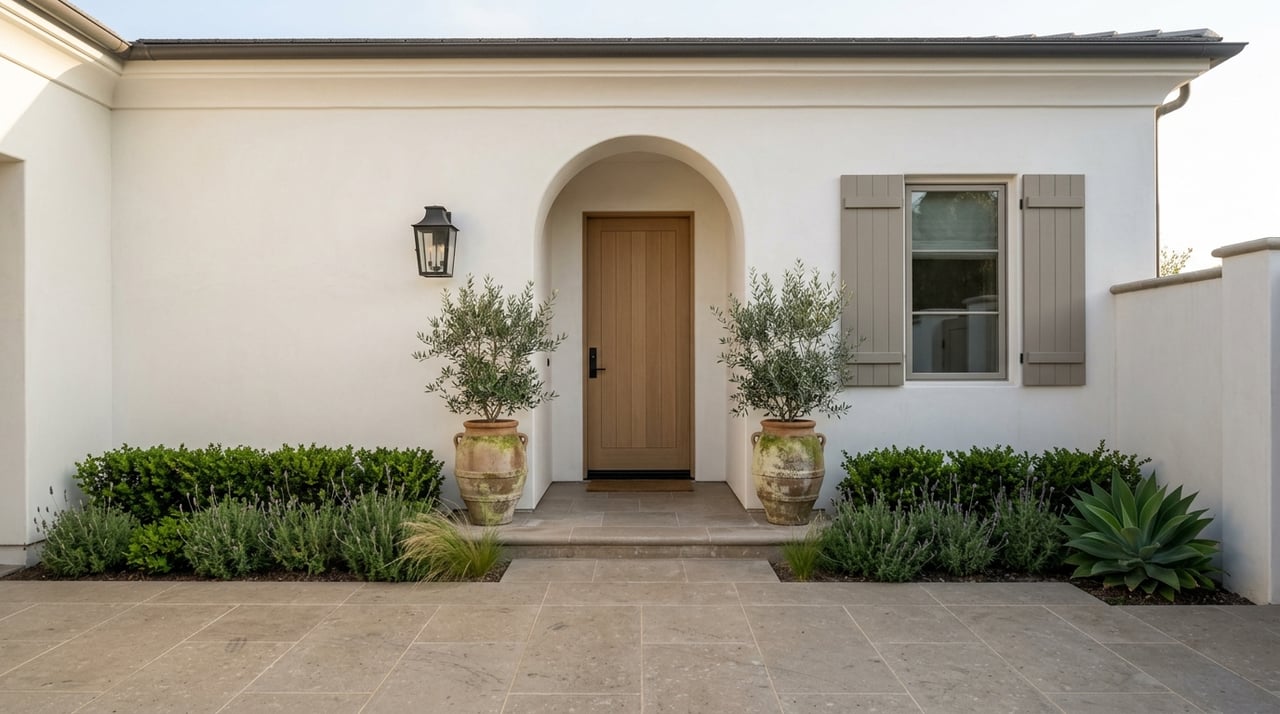
Malibu Country Estates For Relocating Professionals
June 11, 2026
June 11, 2026
If you're relocating for a new role and want Malibu to feel livable, not just aspirational, Malibu Country Estates deserves a closer look. This established neighborhood offers a quieter residential setting near central Malibu, with practical access to Pepperdine University, Civic Center amenities, and Pacific Coast Highway. For professionals balancing work, lifestyle, and a move from out of area, it helps to know what daily life here actually looks like. Let’s dive in.
Malibu Country Estates is not a beachfront enclave or a mixed-use district. City planning documents show it is a distinct residential area governed by the Malibu Country Estates Overlay District, with a 2,000-square-foot minimum residence size, no maximum size for a primary residence, and specific setback and height rules.
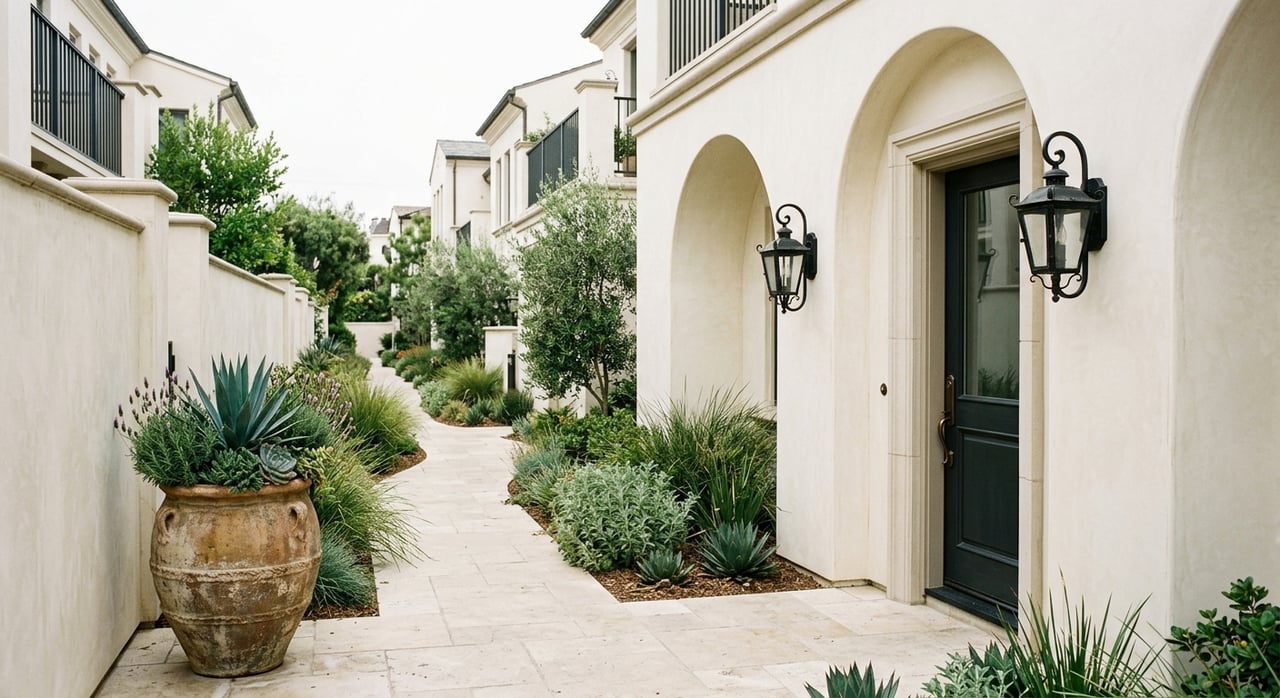
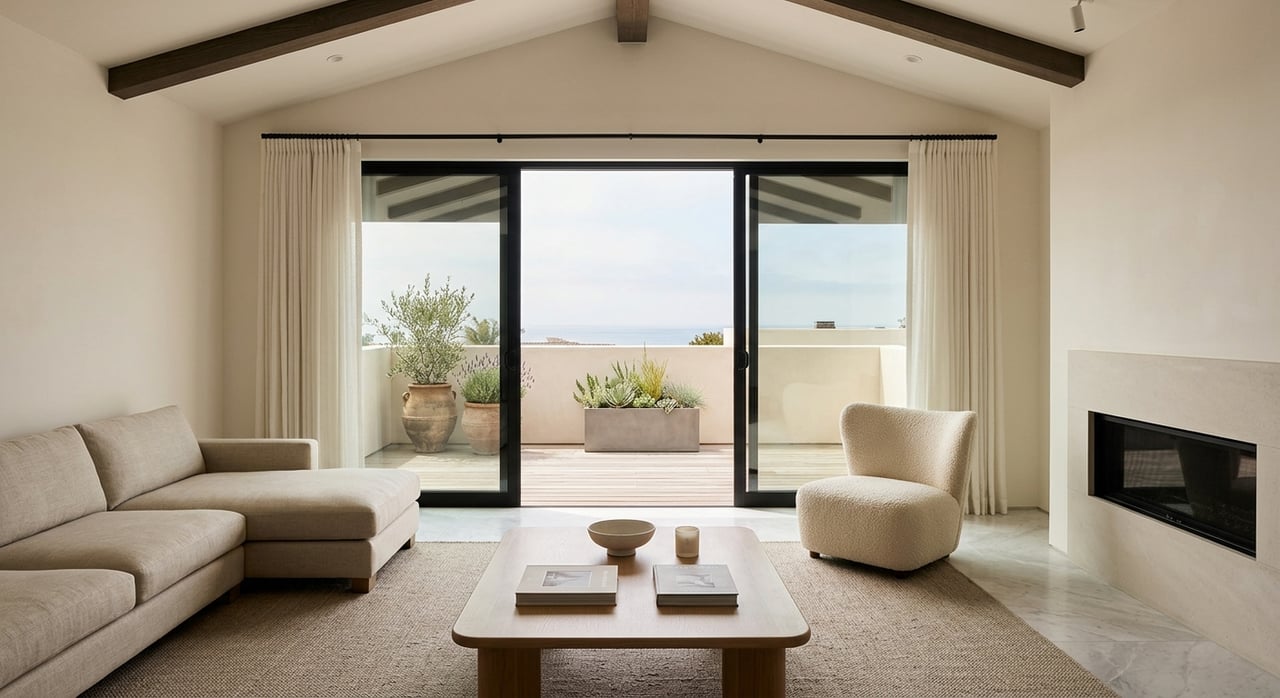
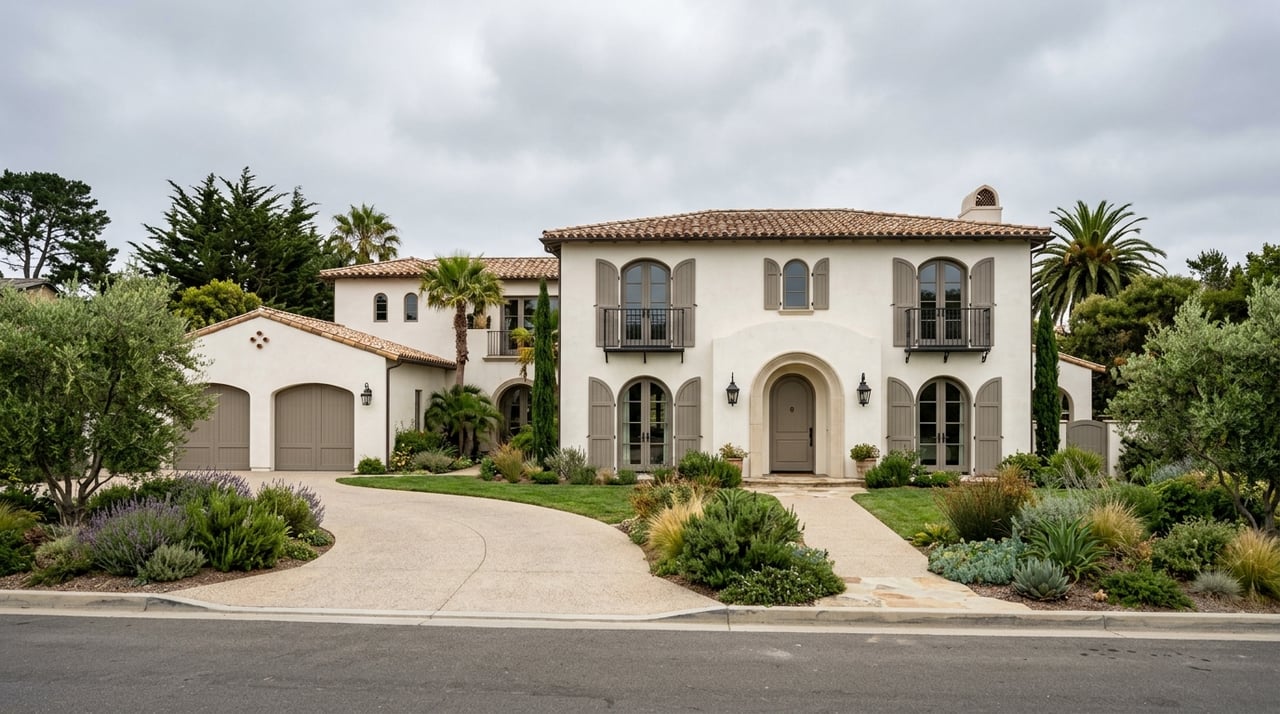
That framework shapes the feel of the neighborhood. In practical terms, you can expect a single-family residential setting that is more view-oriented and privacy-minded than resort-like. For relocating professionals, that often translates to a calmer home base with a more established neighborhood character.
One of the strongest advantages of Malibu Country Estates is its position above Pacific Coast Highway near Malibu’s civic core. Local neighborhood references place it near Pepperdine University and the Malibu Country Mart area, with primary access via Pacific Coast Highway.
That location can be especially appealing if your work ties you to Pepperdine or to regular meetings in central Malibu. Pepperdine’s Malibu campus sits at the Malibu Canyon Road and Pacific Coast Highway corridor, which helps explain why this neighborhood is often considered by faculty, staff, and other professionals seeking a Malibu address with practical proximity.
If you are relocating for a university role or expect frequent campus visits, commute simplicity matters. Malibu Country Estates benefits from being near one of Malibu’s most important institutional anchors without feeling embedded in a commercial area.
That balance is important. You get access to the campus corridor and central services while still coming home to a residential enclave defined more by homes, views, and neighborhood rules than by visitor traffic.
Malibu is road-dependent, and that is one of the most important realities to understand before you move. City traffic studies identify Malibu Canyon Road as a major access point between the 101 Freeway and Pacific Coast Highway, and the corridor carries commuters, tourists, and trucks.
The City’s own traffic guidance also notes weekday morning restrictions on certain left turns from Malibu Canyon Road to Civic Center Way between 6:00 a.m. and 9:00 a.m. That detail may sound small, but it reflects a larger truth: peak-period traffic planning is part of everyday life in Malibu.
For most relocating professionals, Malibu Country Estates works best if you are comfortable organizing your day around Pacific Coast Highway and Malibu Canyon Road. This is not a neighborhood built around a dense street grid or a wide local transit network.
Public transit does exist. LA Metro Line 134 serves Malibu along Pacific Coast Highway, with stops including Malibu Pier, Cross Creek Road, Civic Center Way, and Malibu Canyon Road. Still, for most full-time professionals, the neighborhood is better suited to a car-based routine with transit as a supplemental option.
The City’s transportation work reinforces how central traffic flow is to Malibu life. The completion of the Pacific Coast Highway Signal Synchronization Project in February 2026 shows that corridor movement remains a local priority.
For you, that means commute planning should be part of your home search strategy. A beautiful home matters, but so does understanding how your route functions on a Tuesday morning or after a long workday.
Malibu Country Estates is close to Malibu’s civic and recreation amenities rather than a standalone shopping district. That creates a day-to-day rhythm centered on short drives to key services, outdoor spaces, and community facilities.
Nearby public amenities include Malibu Library at 23519 W. Civic Center Way, Legacy Park at 23500 Civic Center Way, Malibu Bluffs Park at 24250 Pacific Coast Highway, and the Malibu Community Pool at 30215 Morning View Drive on the Malibu High School campus. The City also operates parks and joint-use facilities that support everyday recreation and community access.
If you are coming from a major metro area, it helps to reset expectations. Malibu Country Estates is less about stepping outside to a dense, walkable commercial grid and more about having a peaceful residential setting within a short drive of beaches, parks, and civic services.
For many executives and relocating households, that tradeoff works well. You gain a quieter environment and a strong sense of residential separation while still staying close to the places that support day-to-day life.
Not every Malibu address serves the same lifestyle. Compared with beachfront areas such as Malibu Colony, Malibu Country Estates feels more inland, more residential, and less defined by resort-style surroundings.
City planning distinctions support that difference. Malibu Colony has beachfront-specific setback and height rules, while Malibu Country Estates is governed by an overlay focused on minimum home size, setbacks, and controlled heights. For a relocating professional, that often means a different type of ownership experience.
Beachfront living can be compelling, but it also comes with distinct privacy, traffic, and exposure considerations. Malibu Country Estates offers an estate-neighborhood feel with views and proximity to central Malibu, without the same beachfront dynamics.
That can be a meaningful advantage if your priority is year-round livability. Instead of optimizing for direct sand access, you may be optimizing for privacy, a more settled residential atmosphere, and practical access to key destinations.
A relocation to Malibu should always include a clear-eyed look at environmental and infrastructure realities. City updates identify Malibu Country Estates as a Firewise community, and the City’s floodplain management efforts and ongoing Pacific Coast Highway safety work reflect the kinds of local issues buyers should review carefully.
These are not reasons to avoid the neighborhood. They are reasons to move forward with strong local guidance, thoughtful due diligence, and realistic expectations about coastal hillside living.
Before buying in Malibu Country Estates, it helps to focus on a few practical questions:
For the right buyer, Malibu Country Estates offers a compelling middle ground. It provides a Malibu address, residential privacy, and access to central Malibu without leaning as heavily into the beachfront lifestyle model.
That matters when your move is tied to work, not just leisure. If you want a home that supports professional routines while still delivering the scenery and lifestyle that make Malibu special, this neighborhood can be a smart place to begin your search.
A successful relocation is never just about finding a house. It is about choosing a neighborhood that supports how you actually live, commute, and unwind once the boxes are unpacked.
If you are considering a move to Malibu and want tailored guidance on neighborhoods, commute patterns, and the right fit for your lifestyle, Laura Alfano offers the kind of discreet, local insight that can make your transition far more seamless.


Laura Alfano is dedicated to helping you find your dream home and assisting with any selling needs you may have. Contact her today for a free consultation for buying, selling, renting, or investing in California.

LAURA ALFANO | CA DRE# 02064718
24903 PACIFIC COAST HWY STE 200 MALIBU CA 90265